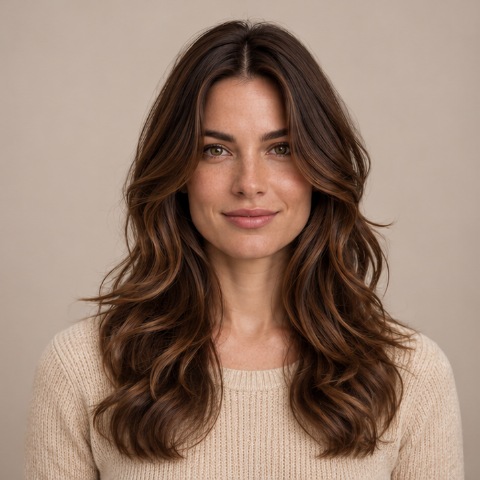
 Editorial inspiration
Also in: Long hair
A NEW POSSIBILITY
Long layers
A length-preserving shape with a gradual transition between layers. Use the preview to compare framing and overall silhouette.
- Talk to your stylist about
- Ask how much weight can be removed without making the ends feel too thin.
- Living with the look
- Your natural texture influences how visible the layers will be.
- A helpful reality check
- A preview cannot predict how your hair will fall, feel or grow. Use it to discuss length and shape, alongside your texture and routine.
What defines Long layers?
Long layers distribute shorter lengths through the hair while retaining a long lower edge. The longest layer sets the outline, and the higher layers affect how full it looks above the ends.
What to look for from the front, side and back
Look for the first layer near the jaw in front. Follow the steps down the profile and compare the density across the lower edge in the back.
What to confirm with your stylist
Mark the shortest length you would still be able to tie back. Ask your stylist how much hair will remain in the longest section.
Compare Long layers with nearby styles
- Butterfly cut
Long layers make a gradual transition, while the butterfly cut makes a clearer break between its face-framing pieces and the long ends.
- Wolf cut
Long layers make a gentler transition through the lengths. The wolf cut emphasizes the crown and the fringe.
- Silk press
A silk press shows a smooth finish on the existing lengths. Long layers change the placement of lengths through the haircut.
Questions about Long layers
Can the ends still look full with layers?
Discuss keeping weight in the last section and show how dense you want the bottom edge to look. The reference helps you point out the balance you prefer.
KEEP EXPLORING
All hairstyles Compare related styles.
Editorial inspiration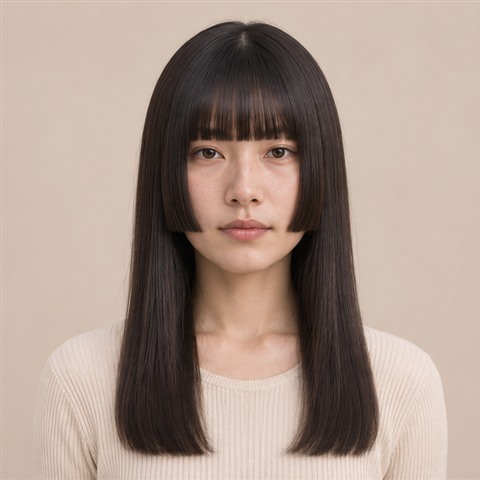 Editorial inspiration
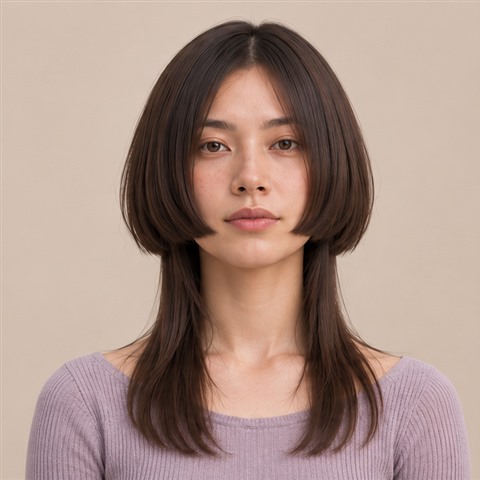 Editorial inspiration